


Menu

 13
km
return
13
km
return
 4
hrs
4
hrs
Mt Kosciuszko from Thredbo (Eagles Nest)
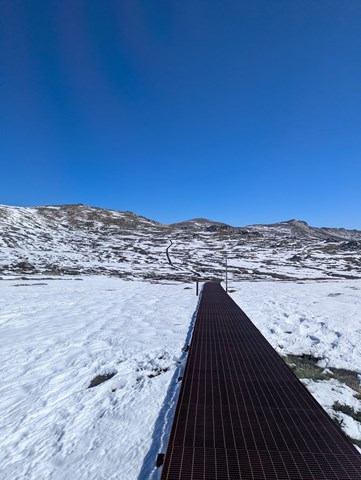
A 13km return walk from the Eagles Nest Restaurant (at the top of the Kosciuszko Chairlift). It's a pretty straightforward forward walk to the highest point in Australia. The track is easy to find and follow. It's a relatively general incline to the top, only moderate fitness required.
 9.5
km
return
3.5
hrs
9.5
km
return
3.5
hrs
Gap Creek Falls
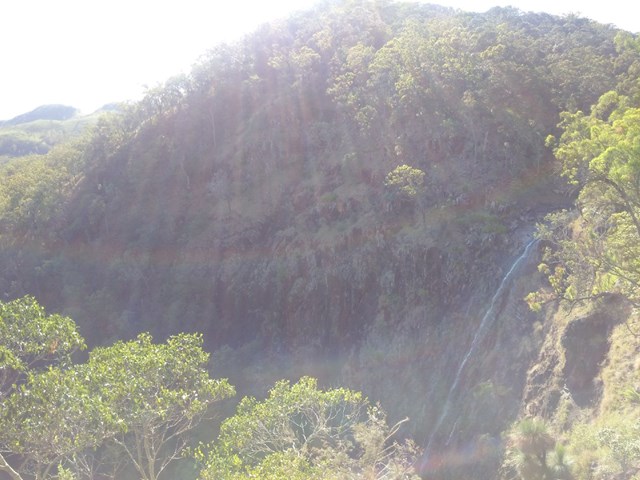
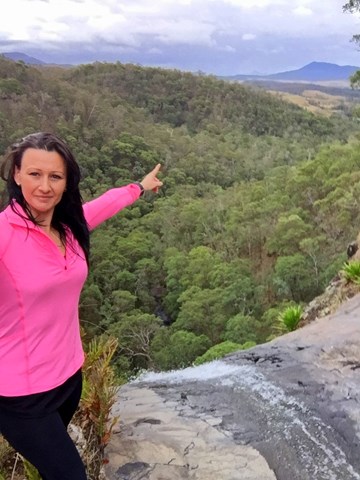
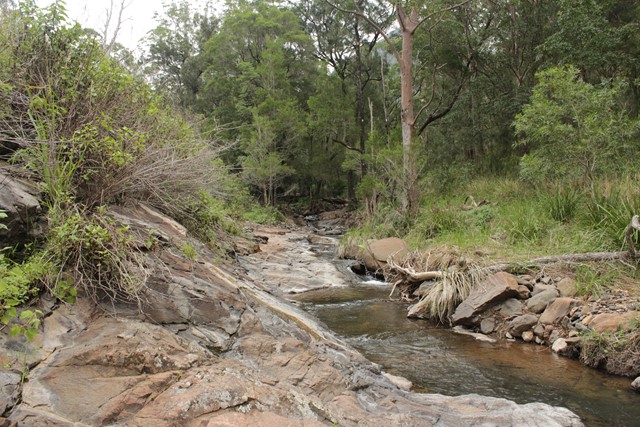
This is a moderately strenuous walk, with good views and a nice creek to paddle in.

 2.52
km
90
mins
2.52
km
90
mins
Fairy Mount
From Kyogle Lookout the trail rises up to the trig point on top of Fairy Mount with some unique views along the way.
 3.03
km
return
1
hr
3.03
km
return
1
hr
Wilson Walk to Robinsons Lookout
Bend around the edge of the golf course following a trail with good signage up to a saddle with a bench with alright views. Then a last uphill push to the top.
730
m
return
30
mins
Bexhill Quarry
A short walk to a picturesque swimming hole in an abandoned quarry just outside of Lismore.
15
km
return
6
hrs
Pen y Fan Horseshoe
A famous route in the Brecon Beacons (Bannau Brycheiniog) National Park that leads to the tallest peak in the Southern United Kingdom.
3.3
km
return
90
mins
Bute Park & Cardiff Castle
Explore this inner-city park with views of Cardiff Castle.
2.2
km
return
1
hr
Bristol's Floating Harbour
Enjoy the historic Bristol Harbour front with sites such as the SS Great Britain.
3
km
return
90
mins
Clifton Suspension Bridge & Observatory Hill
Enjoy views of the iconic Clifton Suspension Bridge Bristol's most recognisable landmark.
4.95
km
return
2
hrs
Brean Down & Brean Beach
Enjoy the scenic headland with its wide sweeping views and historic forts as well as Brean Beach as featured in the TV show Sanditon.
2.65
km
return
1
hr
Cheddar Gorge South Rim
Follow the Southern Rim of England's largest gorge.
5.2
km
return
2
hrs
Glastonbury Tor
Head from the centre of town up Glastonbury Tor and back.
6
km
return
2
hrs
Dunkery Beacon and Great Rowbarrow
A walk along the roof of Exmoor National Park.
4.2
km
return
2
hrs
Selworthy & Bury Castle Circular
Explore the couple of thatched cottages in the small settlement of Selworthy before making your way up through the hillside up to Selworthy Beacon. On the way backdown checkout the remains of the Bury Castle.
6.5
km
return
3
hrs
Valley of The Rocks & Lynton Circular
Explore the ridgeline of the Valley of the Rocks as well as the secrets of Hollerday Hill and the charms of Lynton.
3.95
km
return
2
hrs
Tarr Steps & River Barle Circular
A walk in Exmoor National Park that features a lush river valley and an ancient stone clapper bridge.
6.87
km
return
3
hrs
Wistman's Wood, Longaford Tor & Littaford Tor
A journey to one of Dartmoor's 3 ancient woodlands before returning along a tor covered ridgeline.
600
m
30
mins
Postbridge Clapper Bridge & Dartmoor National Park Visitor Centre
A quick stroll to the East Dart River and Clapper Bridge and across to the East Dart Hotel before returning to the National Park Information Centre.