
Menu
Suggested searches
Your search found 510 results...

 5
km
5
km
 2
hrs
2
hrs
Mount Goolman
Ipswich - Flinders Goolman Conservation Estate
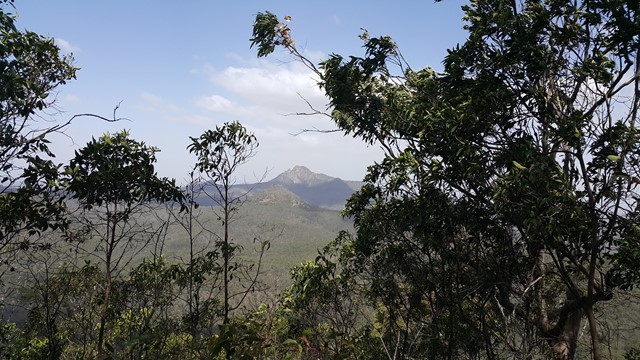
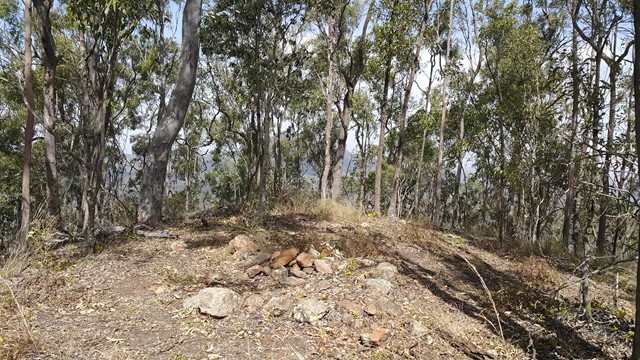
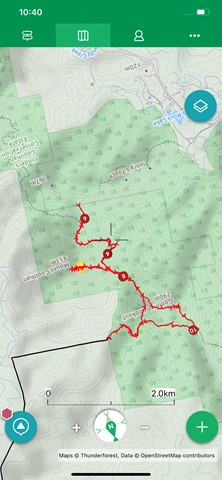
Easiest way is to start from the end of Stowers Rd. Follow fire trail keeping left at any intersections, and start of the track up is at -27.75821, 152.79298. Not an overly difficult climb, with a reasonably clear track all the way to the summit. Also a few ribbons may help you get there.
 5.2
km
return
1
hr
5.2
km
return
1
hr
Sheep Station Creek Conservation Park
South East Queensland
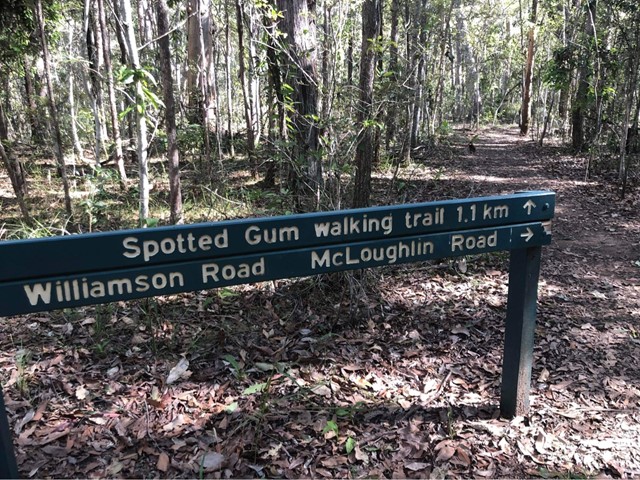
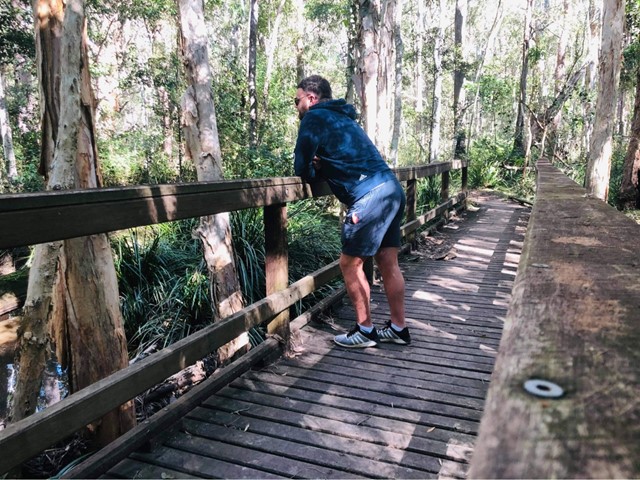
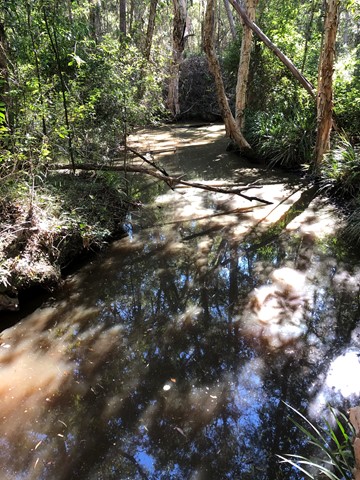
Protected since 1977, the best kept bushwalking Brisbane North secret of Sheep Station Creek Conservation Park offers walkers and horse riders a quiet and easy escape into nature. Nothing too strenuous, good for families, no need to be super-fit to enjoy this pleasant walk in a bushy environment.
Named after the prominent koala food trees found within its 231 hectares, the bushland reserve is abundant in wildlife including different species of birds, reptiles, butterflies, marsupials and mammals, its open, grassy forests providing an ideal habitat for the resident koala, wallaby, short-beaked echidna, and locally threatened Greater Glider families. Described as the last piece of original bush in the area, it's great to see it's been preserved.

 3.5
km
return
45
mins
3.5
km
return
45
mins
Cormorant Bay Loop (Wivenhoe Dam)
South East Queensland
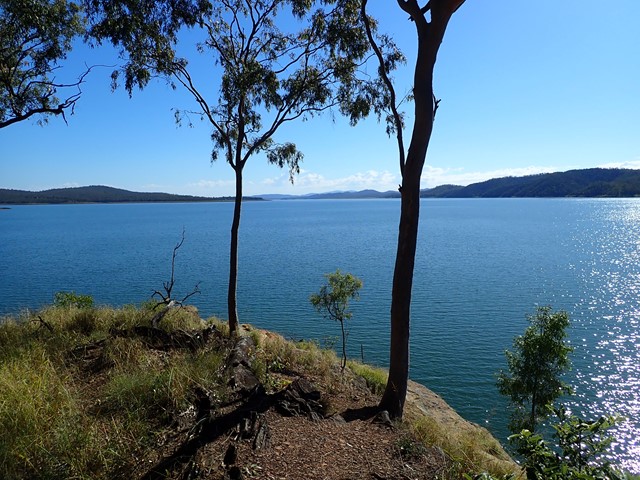
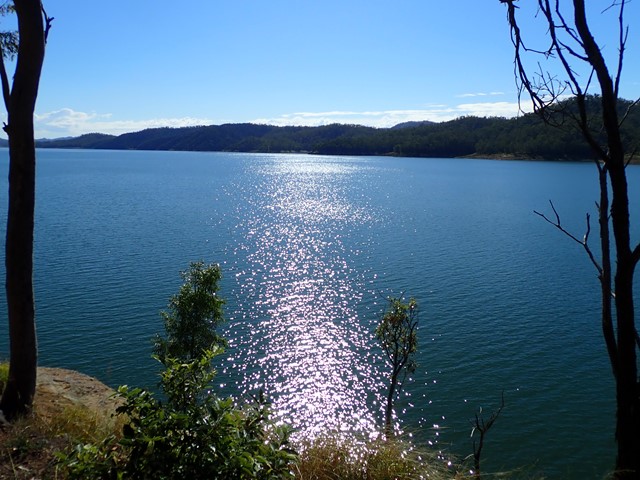
A 3.5km circuit commencing at a locked gate in the carpark area of Cormorant Bay, Wivenhoe Dam, just south of the dam wall. Drive past the old cafe and around the one-way road watching for the gate on your left. The lower track meanders along the lake, but not on the shore line, with views across the water, then a slight incline leads to a ridge which in turn leads back to the gate. The area is alive with birdlife. Some vegetation is still recovering from a bushfire. There are a couple of sections of pebbles which could be slippery. This is an easy walk suitable for all. Takes about 45 minutes.
 8.4
km
return
2.5
hrs
8.4
km
return
2.5
hrs
Dunwich to Brown Lake
North Stradbroke Island - Minjeeribah
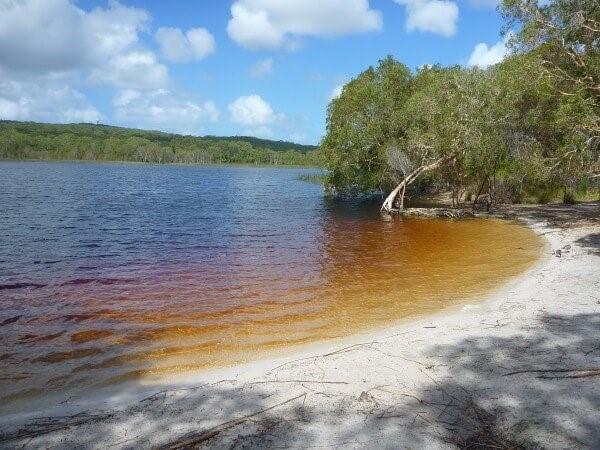
A walk from the Dunwich to the Brown Lake that mostly follows the road.
 4.2
km
return
90
mins
4.2
km
return
90
mins
Davis Hill
South East Queensland
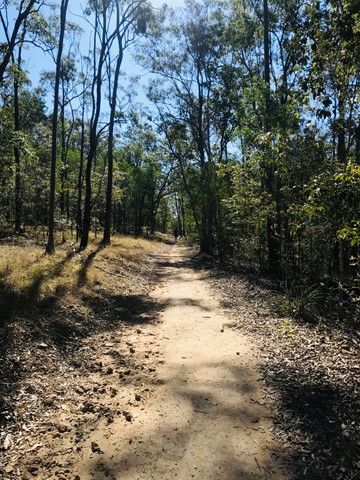
A short walk which climbs gradually along fire trail to the summit of Davis Hill (298m). Views from the summit are limited, and there is a communications mast at the top.
4
km
return
2
hrs
Small Cave (Plunkett Conservation Park)
South East Queensland
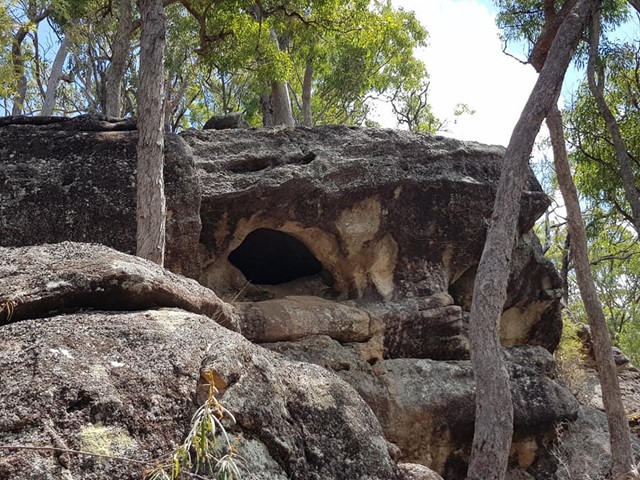
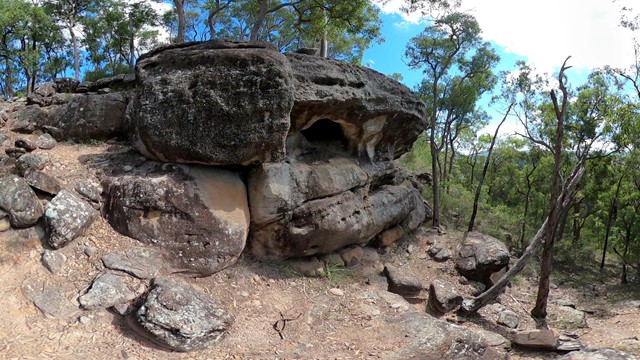
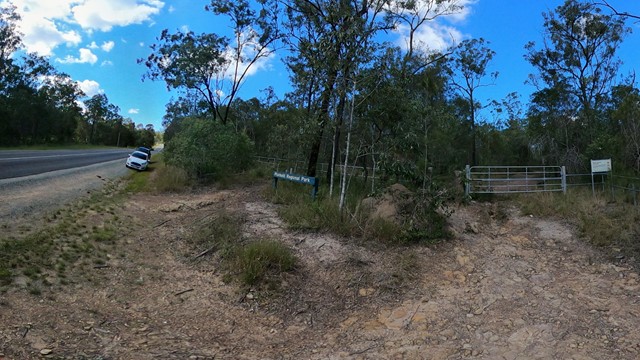
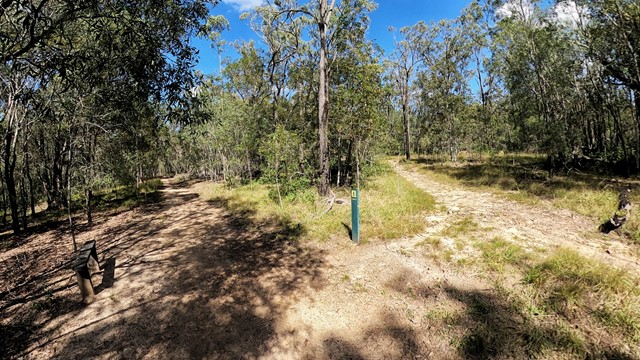
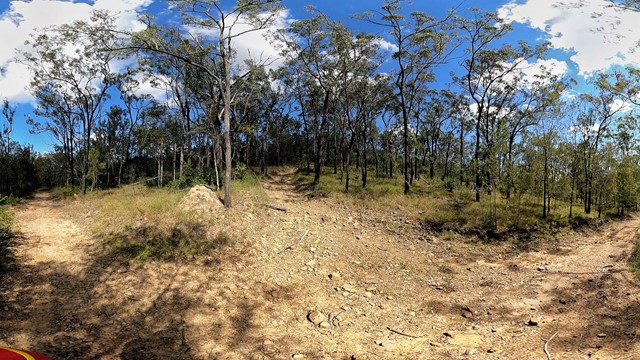
This walk takes you through fairly open bushland, up an incline to a conglomerate rock outcrop with views of the Cedar Creek Valley.The paths in this reserve are mostly wide enough to fit a ranger's car but are quite rocky and steep in some places. You are able to cycle, horseride and walk your dog here (but no motorbikes).
 5
km
return
3
hrs
5
km
return
3
hrs
Mt Blaine Summit Trail
Ipswich - Flinders Goolman Conservation Estate
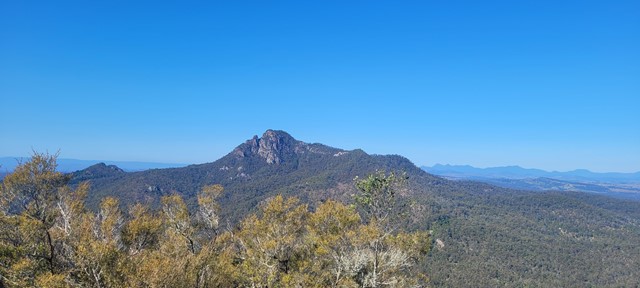
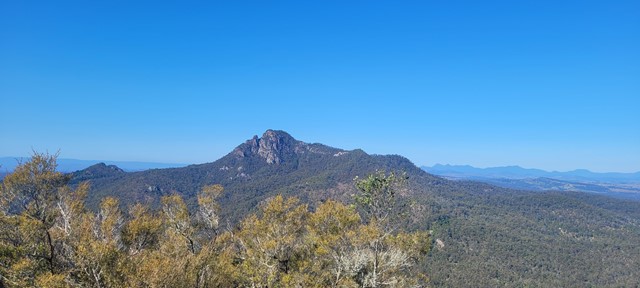
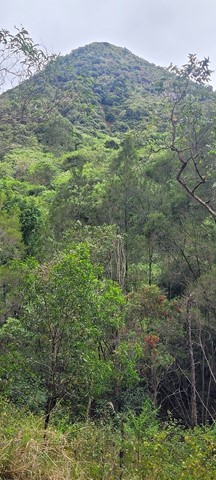
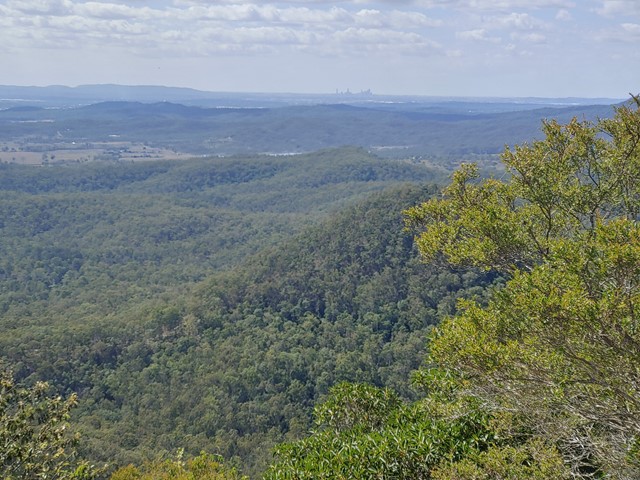
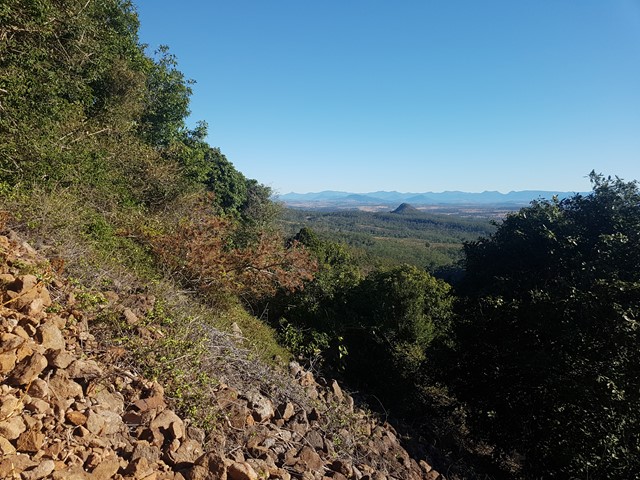
A challenging track to the summit of Mt Blaine. The trail consists of steep inclines and rock scrambling. The summit provides 360 degree view over Brisbane, Ipswich and the scenic rim and a great view of Flinders Peak. The track goes up the northern side, over the summit and back down the southern side. High level of fitness, off track experience, scrambling experience and solid boots are all recommended. Do not attempt this climb if you have knee problems, nervous conditions or vertigo.
 2
km
return
90
mins
2
km
return
90
mins
Mt Blaine Base Trail
Ipswich - Flinders Goolman Conservation Estate
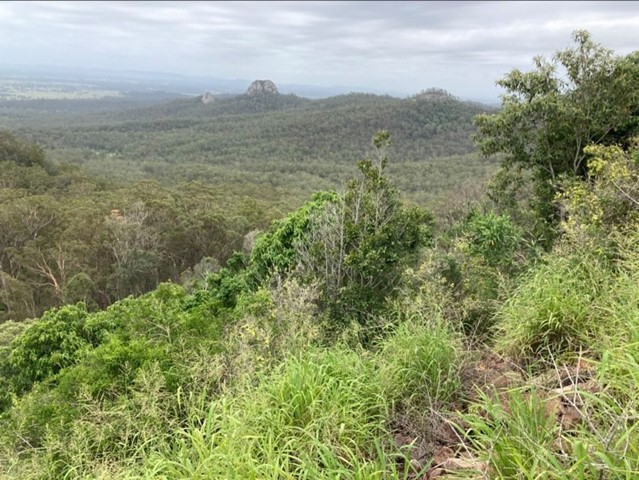
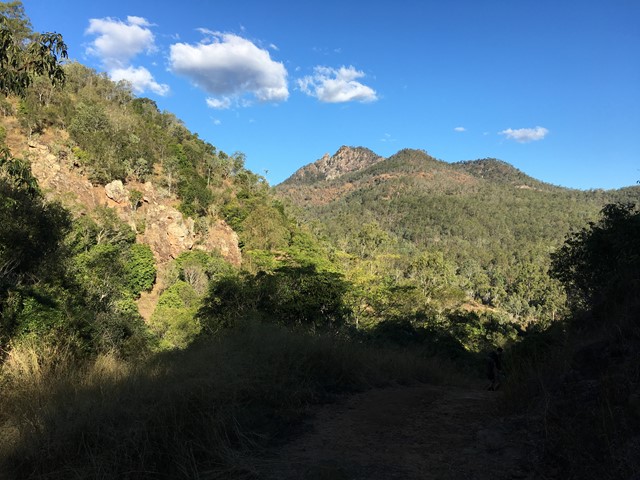
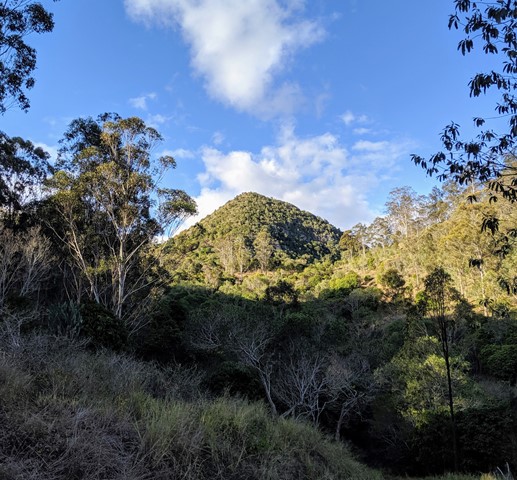
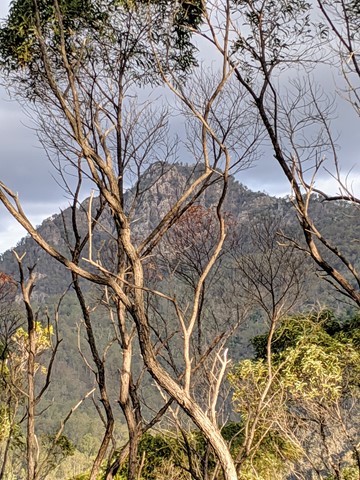
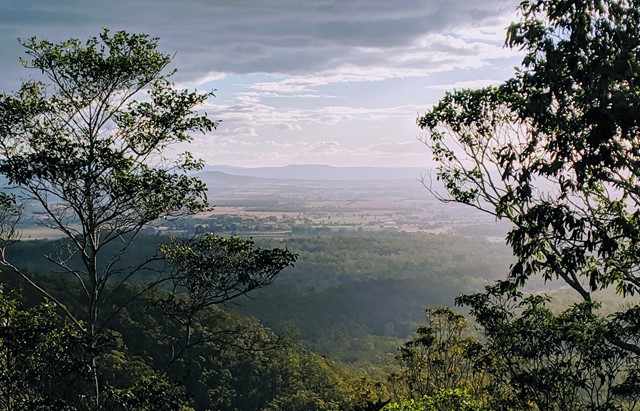
Needing a moderate level of fitness you will pass through Spotted Gum and Ironbark forests, Brushbox and heathland. Keep an eye out for koalas, wallabies and the magnificent Red-tailed Black Cockatoos that call this area home.
Entry is from Flinders Plum Picnic Area
Take a short hike to the foot of Mt Blaine.
 3.2
km
one-way
2
hrs
3.2
km
one-way
2
hrs
Mount Bippo Penbean
North Stradbroke Island - Minjeeribah
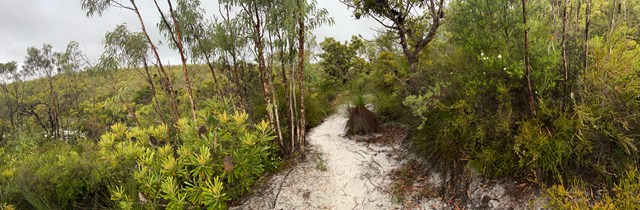
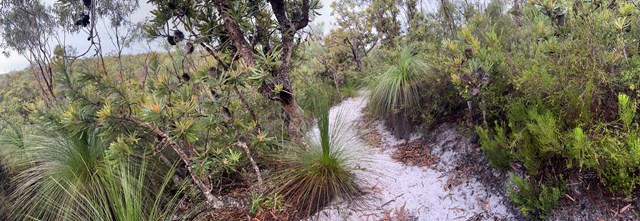
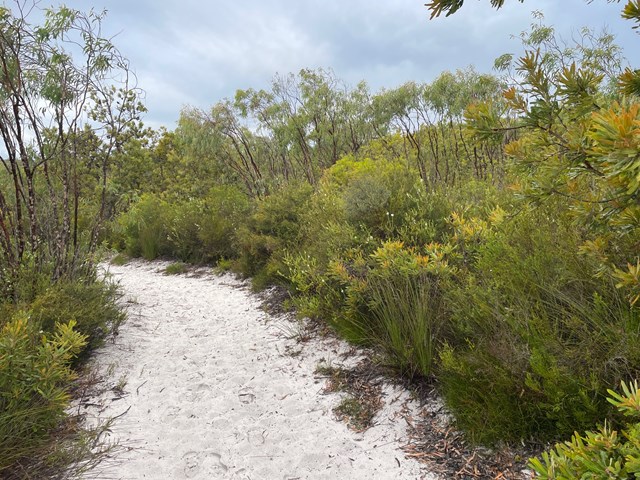
This is a relatively easy track on sand, although the last section up to the top of the viewing platform is quite steep and will get the heart rate up. It provides a good view over the National Park parts of the island and out towards the bay. Apparently on very clear days you can also see to NSW, the Sunshine coast and the Border Ranges. There are lots of banksias and grasstrees. Recommend that people do this in the early morning or late afternoon. Those scared of spiders should avoid as there are lots of spider webs across the pathway and it is difficult to see them in some light.
Signs say to allow 2 hours return. I completed this in 1 hour 35 minutes with a moderate fitness level.
This is pronounced Bib-boo bee-yan, meaning mountainous country in Jandai language (Quandamooka)
 2.5
km
return
45
mins
2.5
km
return
45
mins
Melichrus Trail (Plunkett Conservation Park)
South East Queensland
A short walk on relatively flat gradients through open forest with a mixture of swamp box, ironbark and spotted gum. The unusual soil type in this area promotes short grasses and sedge's that give a parkland type appearance. Keep an eye out for the plant Melichrus adpressus, a spiky native heath species that grows in the local area. This area is known for a good diversity of bird species best heard or seen early morning or late afternoon.